Articles Posted in Personal Injury

A Massachusetts car accident left a 34-year-old Boston man dead after he lost control of the vehicle he was driving and flipped on Interstate 95 South near the Newport Avenue exit, according The Sun Chronicle.

The driver was taken to the Rhode Island Hospital in Providence where he was pronounced dead.
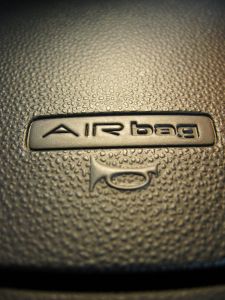
850338_airbag.jpg
According to state police and fire officials, the single-car accident happened around 1:00 a.m. between the Newport Avenue exit and the South Avenue exit. The vehicle sustained extensive damage. After flipping on the Interstate, it came to rest driver’s side down with the top of the car against the guardrail. The victim was reportedly trapped inside the vehicle for about an hour. He was eventually freed by firefighters who had to use two sets of hydraulic-cutting tools and an assortment of other equipment to get him out and to prevent the car from toppling over.

Our Boston personal injury attorneys understand the a number of vehicles have a history of rollover accidents. The vehicle you choose can have a significant impact on your safety on the roadway. You are urged to check out safety ratings of vehicles before making a purchase and to understand your car’s limits when driving on busy roads such as Interstates.

The cause of the accident remains under investigation. State police accident reconstruction experts are looking into the incident. During the initial investigation, multiple lanes were closed on the Interstate for about three hours.

According to government statistics, rollover accidents account for about one-third of all accident fatalities, or about 10,000 fatalities a year over the past decade. Earlier this year, the National Highway Traffic Safety Administration issued a new rule aimed at enhancing side air bag systems. It seeks to reduce fatalities in the event of a rollover accident by providing more cushioning and also by preventing ejection from the vehicle.

“Safety is our highest priority,” said U.S. Transportation Secretary Ray LaHood. “This new standard will help save lives and reduce injuries by requiring vehicles to have a safety system that keeps occupants in the vehicle in a rollover crash.”

Ejection accounts for the majority of the fatalities that result from rollover accidents. Over the last 10 years, nearly 50 percent of those killed in a rollover accident were ejected from the vehicle. Accident studies report that most of these ejections occur through the side windows.

Through the new rule, the NHTSA will be requiring that all manufacturers enlarge side curtain air bags, make them more robust so that they stay inflated longer and set them to deploy in all types of serious accidents. The new air bags are also required to be designed so that they keep occupants from being ejected from the vehicle, even when the windows are down or when the passenger is not be wearing a seat belt. Engineers are even using special glass in the side windows — a unique glazing aims to prevent the glass from shattering in the event of an accident.

You can expect these new airbags to start showing up on vehicles as early as 2013. They will be on all new vehicles in 2017. These new airbag rules apply to all vehicles that weigh less than 10,000 pounds. The NHTSA expects that this new rule will save an average of 373 lives and prevent 476 serious injuries each year.

“Rollover crashes are the deadliest of all crash types and this is another important step in our efforts to reduce fatalities and serious injuries that result from them,” said NHTSA Administrator David Strickland. “When fully implemented, we believe this standard will prevent on average 373 fatalities and 476 serious injuries every year.”
Continue reading
Another Massachusetts jurisdiction shot down the idea of red-light cameras. Recently, residents gathered at the annual meeting in Raynham and voted 104 to 95 against the idea of petitioning the legislature for permission to install red-light cameras at a number of intersections. Reynham has a population of about 11,000 and all qualified inhabitants were allowed to vote on the issue. Residents want to keep enforcement efforts as they are and don’t agree that these cameras will be beneficial in preventing intersection car accidents in Massachusetts.
2dRQwpv.jpg
Currently, our state does not allow these red-light cameras. Lawmakers have been able so far to resist all attempts to pass authorizing legislation. American Traffic Solutions (ATS) has been trying to take their campaign to small town officials, according to The Truth About Cars. ATS is a privately-owned company that keeps looking at city officials as a means for building new business.

Our Boston personal injury attorneys understand that drivers firmly stand on both sides of the issue regarding these red-light cameras. According to the Insurance Institute for Highway Safety (IIHS), roughly two-thirds of drivers in 14 big cities that have the cameras support their functions. A recent study from the IIHS even concludes that these cameras have reduced the rate of deadly red light running accidents by nearly 25 percent in these same cities.

ATS is no stranger to Massachusetts lawmakers as they’ve previously hired marketing companies to try and persuade Boston officials to launch the red-light program. Previous efforts cost more than $161,000.

Although a majority of big cities support the use of these cameras, there are some opponents. A number of residents view these cameras as an invasion of privacy and tools that are being used specifically to generate revenue for the city. Either way, the IIHS reports that that the issue has gained more supporters than opponents.

“Most drivers don’t buy the argument that it’s somehow wrong to enforce the law just because you’re using a camera to do it,” says Anne McCartt, the Institute’s senior vice president for research. “They understand that this technology is preventing crashes in their cities.”

The Institute study that was released earlier this year illustrated just how effective these cameras are. The study took U.S. cities with populations over 200,000 and compared those that have cameras to those that don’t. These red-light cameras reportedly saved nearly 200 lives in cities that had cameras from 2004 to 2008. The Institute estimates that more than 800 lives have been saved if these cameras had been operating during those years in all large U.S. cities.

Of more than 3,000 people interviewed about the cameras:

-More than 9 of 10 drivers surveyed reported that running a red light is unacceptable.

-More than 8 of 10 say that it a serious threat to personal safety.

-Two-thirds of drivers support red-light cameras.

-More than 40 percent strongly favor the cameras.

-A majority of them say the cameras have made intersections safer.

-Half of surveyed drivers know someone who has gotten a ticket at an intersection with a red-light camera.

-Nearly 20 percent have gotten a ticket themselves.

-Only about half of drivers that received a ticket believe that it was deserved.

-About a fifth of drivers said that they support cameras but are opposed to right-on-red enforcement.

-More than 40 percent of drivers support using cameras for right-on-red violations.

“Right-on-red violations usually aren’t associated with T-bone crashes, but they make intersections much more dangerous for pedestrians in particular,” McCartt says. “The survey results show cities need to do a better job explaining this issue to drivers.”
Continue reading

A number of new systems may be hitting Massachusetts roadways to help track lost or confused older drivers. OnStar and GM’s signature services have always been able to locate vehicles that were equipped with these systems, but for the first time they’re available as add-ons to non-General Motors vehicles. These systems aim to keep track of senior drivers and help prevent car accidents in Massachusetts.
1076818_folded_map.jpg
The Alzheimer’s Association markets a number of devices under a program called “Comfort Zone.” These devices include CalAmp tracker and the Sendum tracker. Both of the devices can be yours for less than $300, with an activation fee of $45 and a monthly fee of $44.99. For some, these systems may be worth every penny as they’re able to locate a vehicle in less than 15 minutes.

In today’s economy, our Boston personal injury attorneys understand that this might be a bit pricey. Other devices cost less than $100 to install and only charge of a monthly fee of $14.95. With these devices you can locate either a vehicle or the person carrying the device once a day.

The OnStar system was previously offered on new GM vehicles. But this week launched availability on most all vehicles. This system has a GPS-based feature that allows the contract holder to request information regarding the vehicle’s location. This information is typically obtained through a local law enforcement agency.

Some of the OnStar systems can be housed in your vehicle’s rear-view mirror. Not only is the contract holder able to locate a vehicle if it has turned up missing, but the system can also be used to get specific turn-by-turn directions.

The Silver Alert is another system that many places are using to specifically target older drivers. The program was started in Oklahoma in 2005. The Silver Alert program is designed to quickly disseminate descriptive information about a missing person. With quick information distributions, citizens in the affected area can be on the lookout for the missing person and then can notify local law enforcement with any relevant information. Silver Alerts are typically broadcast on signs on the Interstate highways and toll roads. Currently Silver Alert requirements state that a resident must be 60-years-old or older and there must be “a clear indication:” that the elderly person is suffering from some deterioration of “intellectual facilities.”

According to the Alzheimer’s Association, more than 60 percent of Alzheimer’s patients will, at least at one point in their life, wander off and become lost. For this reason, it is important that we keep an eye on our older loved ones and to do your part to help them reach a decision about when it’s time to hang up the keys.
Continue reading

Federal investigators were recently called to the scene of a Massachusetts aviation accident when the wing of a large moving passenger jet clipped the tail of a stationary aircraft on the taxiway of Boston’s Logan International Airport. Both of the aircraft sustained damages and were taken out of service, according to The Washington Post.

One plane was Delta Flight 266 that was heading from Boston to Amsterdam. The other plane was Atlantic Southeast Airlines Flight 4904 that was heading from Boston to Raleigh-Durham.
66987_runway.jpg
Our Massachusetts personal injury attorneys understand that these accidents are not as uncommon as some may believe. The frequency of these accidents has landed them a spot on the National Transportation Safety Board‘s (NTSB) ‘”most wanted” list. This list is part of a program that aims to increase the public’s awareness of, and support for, action to adopt safety steps that can help to prevent these types of accidents and save lives along the way.

According to an airport spokesman, there was one passenger that was complaining of neck pain and was taken to the hospital for treatment. While these were commercial airliners, the real risk of plane accidents in New England is in the general aviation sector.

Luckily, there has not been a fatal large commercial aviation accident in the United States since 2009. That’s not the case in the world of general aviation. According to the NTSB, there were nearly 500 people killed in general aviation accidents in 2009 alone. Thousands more were injured in the accidents.

General aviation accidents are six times more likely to happen than small commuter and taxi operation accidents and more than 40 times more likely to occur than transport category operations. This means that general aviation continues to present the most risk.

The NTSB recommends the following fixes to help reduce the number of fatal general aviation accidents:

-Make sure that maintenance personnel are continuously updated with current training and pay close attention to key systems, such as electrical systems.

-Aircraft design should address icing.

-All general aviation aircraft should come equipped with the best occupant protection systems that are currently available.

-All aircraft should come with working emergency locator transmitters so that emergency responders can facilitate timely discovery and rescue in the event of an accident.

-Properly train all pilots.

-All general aviation pilots should be required to take initial and recurrent training on the various weather information sources. They should also be required to learn the appropriate steps to take when they inadvertently encounter adverse weather.

-Pilots not only need to be able to understand how general aviation technology works, but they also need to understand how it can malfunction. During an emergency isn’t time look through a plane’s manual to try to figure out how to adjust the flight display.

-Every passenger should have a seat and a restraint system. This includes children under the age of 2.
Continue reading

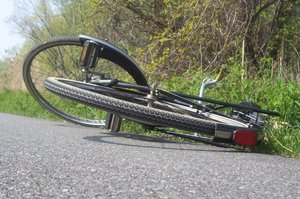
A minivan clipped a 16-year-old bicyclist on Boston Street, sending him under an oncoming dump truck. The young cyclist was conscious and alert when emergency responders arrived at the Massachusetts bicycle accident scene. He was treated at the scene and then transported to North Shore Children’s Hospital in Salem “for precautionary reasons,” according to The Salem News.

“He was laying against the rear tires of the truck,” and would’ve been hit if the vehicle had come to a stop any slower, said Deputy Fire Chief Glen Beaudet.
mCewYrQ.jpg
Our Boston bike accident attorneys understand that this accident could have gone much differently, and we are thankful that it didn’t. Motorists and cyclists need to be aware and considerate of one another on our Massachusetts roads to help avoid future accidents.

The teen was lucky because instead of being run over by the 14-wheel dump truck, the two front tires of the truck passed over each side of him. The driver of the minivan who reportedly caused the accident was arrested and charged for operating a motor vehicle without having a valid driver’s license. The driver of the dump truck was not charged.

According to the National Highway Traffic Safety Administration (NHTSA), more than 600 bicyclists were killed in traffic accidents in the United States in 2009. Another 51,000 bicyclists suffered injuries from these incidents. These types of accidents account for 2 percent of all motor-vehicle traffic deaths each year.

Most of the bicycling accidents that happened in 2009 happened in urban areas at non-intersections. These incidents have increased nearly 10 percent since 2008. Roughly 75 percent of these fatal accidents occurred between 4:00 a.m. and 8:00 p.m. This is also a near 10 percent increase from the previous year.

According to the Centers for Disease Control and Prevention, children are at an increased risk for these types of accidents. Children 15-years-old and younger accounted for nearly 60 percent of all bicycle-related injuries seen in U.S. emergency departments in 2001.

Kid friendly bicycling tips, provided by the NHTSA:

-Make sure your bicycle fits to you. There should only be between 1 and 2 inches between you and the top tube (bar) on a road bike and 3 to 4 inches on a mountain bicycle. Your bicycle seat height should be adjusted to a height that allows a slight bend at the knee when the leg is fully extended. The handlebars should be at the same height as the seat.

-Wear bright colored clothing and have reflectors on your bicycle. Your best bet is to wear neon, fluorescent or other bright colors instead of white.

-Always keep at least one hand on the handlebars.

-Be on the lookout for road hazards. This includes potholes, broken glass, gravel, puddles, leaves and animals.

-Ride with the flow of traffic. Never ride against the flow of traffic.

-Always obey all traffic signs, signals, and lane markings.

-Yield to traffic.

-Ride predictably. Always ride in a straight line and signal your moves to others.

-Be on the lookout for parked cars. Make sure that you ride far enough out from the curb to avoid the unexpected from parked cars, including doors opening, or cars pulling out.
Continue reading

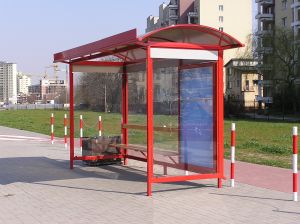
A Massachusetts bus accident sent seven Massachusetts Bay Transportation Authority bus passengers to area hospitals recently. The bus accident happened on Route 28 when a motorist reportedly made a sharp left turn in front of the MBTA bus and forced the bus driver to slam on the brakes to avoid a major collision, according to The Milford Daily News.

The driver of the SUV that cut off the bus, a 72-year-old Milton resident, was taken to Beth Israel Hospital in Boston and reportedly suffered a neck injury. The elderly driver will be cited for failing to yield when turning, says T spokesman Joe Pesaturo.
976884_bus_stop.jpg
We know that Massachusetts residents and visitors rely on this form of public transportation on a daily basis. We expect these buses to get us to and from our destinations safely.

Our Boston personal injury attorneys understand that these travelers also trust that the operator of these buses, trains and subways have completed proper training and possess safe, alert and cautious driving habits. Unfortunately, this is not always the case. According to the MBTA website, its drivers are typically involved in nearly 2,500 accidents every year. About 500 of these accidents are considered to be preventable. The MBTA buses take about 4.5 million bus trips every year. MBTA buses have been involved in 11 fatalities since 2000.

The injured bus passengers were from Randolph:

-Marie Dory, 60
-Felicia Florence, 45
-Connie Harding, 55
-Linda Whittaker, 48
-Evelyn Morales, 37
-Kennie Boulin, 21
-Jean Nelson, 39
The bus driver reports that the bus was heading north on Randolph Avenue when the SUV tried to turn left onto Chickatawbut Road in front of the bus. The driver says that the bus and the SUV still made some contact after she braked.

Luckily, about 350 buses of the MBTA fleet of more than 1,000 come equipped with eight cameras a piece. These bus cameras provide views of inside the bus, in front of the bus and on either side of the bus. Some MBTA subway cars and stations also have video cameras. These cameras can help implicate some people and vindicate others in the event of an accident.

According to the Federal Railroad Administration Office of Safety Analysis, nearly 40 MBTA accidents have been reported to have occurred from January to March of this year. During the first three months of 2011, there were 2 reported fatalities involving an MBTA accident or incident. In 2009, there were 221 fatal bus crashes reported across the United States. The same year in Massachusetts, there was one single bus accident that resulted in a fatality.

We rely on the operators of these buses every day to travel our roadways safely. With the proper training, cautious driving techniques and safe driving habits, we can all hope to enjoy public transportation without injury.
Continue reading

Ever year, consumers are exposed to a number of household items that, because of manufacturing defects, can cause serious injury. To help keep residents safe, the U.S. Consumer Product Safety Commission (CPSC) has been working to ensure the safety of consumer products to reduce the risk of death and personal injury in Massachusetts and elsewhere throughout the United States for more than 30 years now.
861815_playground.jpg
The CPSC helps to protect consumers against possible fire, electrical, chemical, or mechanical hazards or can injure children. Our Boston personal injury attorneys realize that many consumers in Massachusetts may have some of these products in their homes. We would like to give you an update on which products have been recalled by the CPSC to help ensure your safety.

Hamilton Beach Recalls Toasters: More than 300,000 Hamilton Beach classic chrome 2-slice toasters have been recalled because of a fire hazard if the toaster is placed near flammable items. The company has already received nearly 20 reports of toasters that did not pop-up as intended. A number of these incidents reported minor damage to kitchen cabinets. These toasters were sold at mass merchandisers and department, grocery and home center stores nationwide and various online retailers from February 2008 through June 2011.

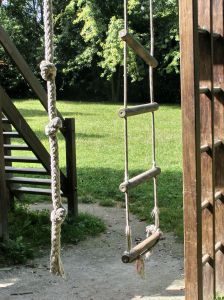
Adventure Playsets Swing Sets: The wood in the posts of the fort sections on the swing sets of these playsets can weaken caused by weathering and rotting. The rotted posts create a potential fall hazard. The company has received more than 500 consumer complaints that reported concern over the weakened wood. The playsets were sold at Academy Sports, Toys-R-Us, Walmart, Mills and Menards from 2005 to 2007.

Mizuno USA Inc. Baseball and Softball Gloves: An estimated 131,000 gloves have been recalled after molds were discovered that could cause respiratory or other infections in individuals with chronic health problems. These gloves were sold at Walmart and Target stores nationwide from April 2010 through May 2011.

Dollar Tree Glass Votive Candle Holders: Dollar Tree Stores Inc., of Chesapeake, Va. is recalling roughly 117,000 glass votive candle holders because of possible fire and laceration hazards. The glass votive candle holders can shatter while in use. This danger poses a fire and laceration hazard to consumers. The candle holders were sold at Dollar Tree, Dollar Bill$, Deal$ and Dollar Tree Deal$ stores nationwide from December 2010 through April 2011.

Mini Stars Building Sets Recalled: The company has received roughly 18,000 of these building sets because the plastic knobs can break from the center of the stars and can posing a choking hazard to children. These sets were sold at small retail stores nationwide, online at Toys R Us.com, Amazon.com and CSN on walmart.com from January 2007 through December 2009.

Chanel Recalls Silk Scarves and Garments: Chanel is recalling about 120 scarves and 34 garments, including dresses, skirts and blouses. These garments do not meet the federal flammability standard for wearing apparel and they pose a fire hazard to consumers. The items were sold at Chanel Boutiques, Neiman Marcus and Maxfield stores in March and April 2010.

In addition to visiting to CPSC website, you can all call the agency’s toll-free hotline, 1-800-638-2772, for more recall information. To report product complaints or injuries, you can call their toll-free number between 8:30 a.m. and 5:00 p.m. Eastern time Monday through Friday, except holidays.

Please check this information periodically to make sure that none on your household items are presenting any dangers to you or your family. You’re also urged to report any products that have presented any dangers of defects in your household.
Continue reading

Micky Ward, legendary boxer and the subject of the movie “The Fighter,” was hospitalized for a week last month after suffering an injury from a dog bite accident in Massachusetts. It happened while he was trying to separate a dog fight, according to Boston.com.

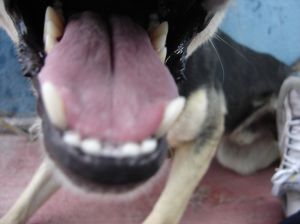
Ward’s agent reports that the boxer was walking his dog in Lowell when the other pup approached the two. He says Ward initially thought that the dogs would be friendly, but when they started to get rough with each other, he stuck his right hand between them to keep them from harming one another. That’s when one of the dogs sunk its teeth into Ward’s hand.
261575_the_dog_of_my_brother_2.jpg
Dog bites happen all too often and sometimes when people least expect it. Our Boston dog bite injury lawyers urge everyone to be cautious around strange dogs as nearly 5 million Americans are bitten by dogs each year. It is estimated that one in five dog bites results in injury and the need for medical attention.

“They got his [right ring] finger pretty bad,” said agent Nick Cordasco.

The former junior welterweight champion was hospitalized and received stitches in his hand to heal up the wound. He wasn’t immediately released from the hospital because doctors wanted to conduct a number of tests to make sure there were no complications. Ward reportedly had no other medical issues other than the injured finger.

“He’s in good spirits,” Cordasco said.

According to the Centers for Disease Control and Prevention, there are nearly 1 million injuries that result from dog bites every year. More than 31,000 people underwent reconstructive surgery because of dog bites in 2006.

Children age 5- to 9-years-old are the most likely to suffer a dog bite injury. They have a higher rate of dog bite-related injuries than any other age group. According to dog bite data, men are more likely to be bitten than women.

Residents who have a dog have a greater change of being bitten that those without. With more dogs in the home, your risks of being bitten increase. Residents with two or more dogs in the house are five times more likely to experience a dog bite incident.
Follow these safety tips to help prevent being bitten by a dog:

Before you bring home a pet dog:

-Talk with a veterinarian, animal behaviorist or responsible breeder to learn what breeds of dogs would be best for your household and your family members.

-Typically, dog breeds with a history of aggression are not suitable for households with young children.

-Keep an eye out for cues that show your child is fearful or apprehensive about a dog.

-Spend time with your potential dog before bringing it home.

If you decide to bring a dog into your home:

-Make sure that you spay or neuter your dog. This typically reduces aggression.

-Never leave young children alone with your new dog.

-Don’t play aggressive games with your dog.

-When training your dog, teach it submissive behaviors.

General safety tips for unfamiliar dogs:

-Never approach an unfamiliar dog.

-Don’t run from a dog.

-Don’t move when an unfamiliar dog is approaching.

-If you’re knocked over by a dog, roll into a ball and lie still.

-Don’t disturb a dog that is sleeping, eating or caring for puppies.

-Don’t touch, pet or play with a dog without allowing it to see and sniff you first.
Continue reading

Nearly 20 state pools were closed for review after a 36-year-old resident drowned in the Fall River Veteran’s Memorial Swimming Pool. The Massachusetts drowning accident wasn’t discovered until two days after it happened.

Residents are now being let back into these pools. They were temporarily shut down after that fatal safety lapse in Fall River. All pools had to pass precautionary inspections.
2dFo57S.jpg
A number of agencies were on the case, conducting investigations into the deadly accident. The state Department of Conservation and Recreation started its review of the facility after receiving permission from the Bristol district attorney’s office and police.

Our Boston pool accident attorneys know that many residents and visitors jump into these pools during this time of year because the summer months provide such beautiful outdoor weather.

“We started our own investigation, having been given the green light by the DA last night to do so,” Edward M. Lambert Jr., the Department of Conservation and Recreation commissioner, said yesterday. “The team has been tasked with getting the facts around this disturbing incident.”

According to the Centers for Disease Control and Prevention, approximately 10 people die every day from unintentional drownings. Two of these 10 deaths occur to children under the age of 15. As a matter of fact, drowning is the second leading cause of death for children in this age group. Drowning is the sixth leasing cause of unintentional injury death for people of all ages.

In 2007 alone, there were nearly 3,500 deaths resulting from unintentional drownings in the United States. These figures do not include boating-related drownings. One-fifth of every drowning victim is a young child under the age of 15. For every one of these child deaths, four more are sent to emergency rooms for nonfatal submersion injuries.

More than half of all people who experience a drowning incident are treated in emergency departments and are required to stay in the hospital or are transferred to higher levels of care. These nonfatal drownings can cause brain damage. Oftentimes these injuries result in long-term disabilities including memory problems, learning disabilities and permanent loss of basic functioning.

To help prevent water-related injuries:

-Supervise all children when around water. Remain close enough to reach children at all times. Prohibit adults from being involved in any other distracting activity while supervising children.

-Swim with the buddy system. Never swim alone. Swim in areas that have lifeguards whenever possible.

-Learn to Swim. Formal swimming lessons can help to protect people from drowning.

-Learn cardiopulmonary resuscitation (CPR). CPR can help to save someone’s life in the time it might take for paramedics to arrive.

-Don’t use air-filled or foam toys. These toys should not be used in place of life jackets or personal flotation devices. They’re not designed to keep swimmers safe.

-Don’t drink and swim. Don’t drink while supervising swimming children either.
Continue reading

A fiery explosion caused from flammable mosquito repellent sent a Marshfield woman to the hospital after suffering from severe burn injuries in Massachusetts. She will need skin grafts to repair her arm, according to the Patriot Ledger.
mzDZx7o.jpg
The woman was at her friend’s house on Main Street in Hanover last Friday when the accident happened. To cool her burning skin, she jumped into a nearby pool. Her face and arms were burned. The owner of the house said that the explosion happened when the woman went to refill a pot of flammable bug repellent. The woman was sitting a few feet away from the pot of mosquito repellent that exploded.

Burn injuries in Boston can happen at any time to anybody. They’re most likely to cause injury to a person’s face, hands and arms. According to the Centers for Disease Control and Prevention, burns are most likely to happen to children under the age of 20. Every day, nearly 450 people from this age group are sent to emergency rooms for burn-related injuries. Two of these children die every day because of these injuries.

It is important to take all of the proper safety precautions to help keep these young one’s safe and to protect them from potential burn injuries. Younger children are most likely to receive injuries from scald burns that are caused by hot liquids or steam. Older children are more likely to sustain injuries from flame burns. These burns are caused by direct contact with fire.

You may think a burn is just a burn, but actually there are a number of kinds that can occur:

-First Degree Burns: This is a burn that affects the epidermis — or the outer layer of skin. If you experience this type of burn, you can expect pain, swelling, tingling and hypersensitivity. The wound will typically look red and dry.

-Second Degree Burns: This type of burn affects both the epidermis and the dermis. This burn is often called partial thickness burns. If you experience this type of burn, you can expect extreme pain, redness, swelling and blistering. Weeping at the surface is also common. You can also expect some substantial scarring once the burn heals. These types of burns are usually caused by flash injuries (such as explosions), scalding liquids and flame injuries.

-Third Degree Burns: These are extreme burns that affect the entire thickness of skin and underlying muscle tissue. These burns destroy sweat glands and hair follicles. Nerve damage that these burns cause may lessen the pain. Treatment for these burns can be rather extensive and costly. These treatments can involve skin grafts and lengthy hospital stays.

-Fourth-Degree Burns: These are life-threatening burns. In this type of burn, the burning reaches all the way down to the bone and the skin is permanently lost. These incidents can sometimes be associated with lost limbs and amputations. These injuries are often caused by high-voltage electric and prolonged flame contact.

How can I prevent a serious burn?

-Be alarmed. It is important that you install and maintain smoke alarms in your home. Make sure they’re on every floor and near all rooms that people members sleep in. Test them at least once a month to make sure they are working properly.

-Have a plan. Create and practice a family fire escape plan. Make sure everyone in the house, especially kids, understand the plan. Also make sure that everyone knows at least two ways out of every room. Be sure to designate a central meeting place outside.

-Cook with care. Never leaving food unattended on the stove and supervise young children whenever they’re near cooking surfaces.
Continue reading

Contact Information