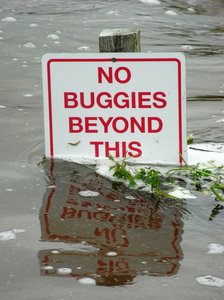
According to the Official Web Site of the City of Boston, Mayor Thomas M. Menino recently made an announcement of policy initiatives and new planning to help to get Boston residents to prepare for hurricanes and other storms like Sandy.
nDDbJre.jpg
“The steps that I am announcing…will help make our waterfront and the rest of Boston better prepared to handle future storms and get the city back in business as quickly as possible,” said Menino.

Our Boston personal injury attorneys understand that our area may need to better prepared for storms and natural disasters after a series of hits over the last several years. Menino recently heralded the release of The Boston Harbor Association’s report, Preparing for the Rising Tide. This report discusses and outlines the way our coastline works, its vulnerabilities and the ways that we can work together to try to stop the damages that will be caused by climate changes, and land uses.

Menino is requesting is that his Cabinet speed up the implementation of the new climate preparations mentioned in the City of Boston’s action plan. By the end of the year, the city is going to look over the status of its current preparation activities and look into new ways to help to make sure that Boston is ready for the changing climate.

Currently, there are cities, such as Seattle, WA and Charleston, SC, that are developing “floodable zones” that preserve the city’s access to its waterfront while minimizing damage when periodic flooding occurs.

The Association has also prepped the “Preparing for the Rising Tide” to help those who are building near the coastline to consider these threats. It’s covering threats over the next 10 years.

“It was sobering to realize how climate change is already putting Boston’s waterfront at risk,” said Vivien L, The Boston Harbor Association President.

The truth of the matter is that coastal flooding can be devastating to both infrastructures and buildings. It can damage equipment and can cause public health and environment problems. These issues can last long after the weather has returned to normal.

Consider it this way: The Mass Bay Transit Authority’s Aquarium Station entrance is less than 3 feet above today’s tidal average. It will only take one major storm to cause a disaster. It may need to be moved or raised soon after 2050 to help to avoid frequent tidal flooding.

This report is a reminder that we have to act now to help to protect our communities from the harm that has already been done – and we need to act on emissions reductions to prevent even more catastrophic harm beyond the massive flooding outlined in TBHA’s maps.

Help to protect your home or your business from any of these kinds of problems by educating yourself about the risks and what you and your family can do to help stop it before it’s too late!
Continue reading

If you provide your child any Triaminic Syrups or Theraflu Warming Relief Syrups, you might want to think again. According to the U.S. Consumer Product Safety Commission these products may serve as a serious injury risk to children in your household.
ml6mGU8.jpg
The child-resistant caps don’t always work properly. This means that there’s a good chance that your child can get into them and break through the tamper-evident seal. This serves as a serious risk for unintentional ingestion and poisoning. This is dangerous because these syrups contain diphenhydramine and acetaminophen. Both of these are required by the Poison Prevention Packaging Act to be sealed with child-resistant packaging.

Our Boston child injury attorneys are asking parents to stop using these products immediately. Novartis AG is also recalling about 185 lots of cough syrup. Under this recall are more than 140 lots of Triaminic and more than 40 lots of the Warming Relief Syrup. All of these products were manufactured in the U.S. before December of 2011, according to NBC NEWS.

These products were made at the manufacturing facility in Nebraska. A complaint filed by a consumer last November started an internal investigation and ultimately led to the recall. Officials report that production at the Nebraska facility was stopped in December of 2011 and it hasn’t yet resumed.

According to the Centers for Disease Control and Prevention (CDC), there are more than 300 children under the age of 19 in the U.S. who are treated in an emergency room because of accidental poisonings each and every day. Two children die each day because of these accidents.

Everyday items in your home, such as household cleaners and medicines, can be poisonous to children as well. Active, curious children will often investigate–and sometimes try to eat or drink–anything that they can get.

You can help to prevent these kinds of accidents by locking up your medicines and any toxic products you might have in your household. If children can’t see them or get to them, this won’t be an issue. It’s also a good idea to keep the number of the nationwide poison control center somewhere noticeable. It’s 1-800-222-1222. It’s open all day, every day. If it’s a real emergency, call 9-1-1.

If you’ve got medicines in your household that you no longer need — toss them out. It’s important that you safely dispose of any medications that are unused, expired or unneeded. This counts for both prescriptions drugs and for over-the-counter drugs. The best way to get rid of medicines is to mix with kitty litter or coffee grounds and throw them away. Check your medicine cabinet and properly dispose of unneeded products.
Continue reading

If you have or had stress urinary incontinence or pelvic organ prolapse (POP), then you may have been treated using transvaginal mesh (TVM) or your doctor may recommend that TVM be used as part of a surgical correction of your problem. Unfortunately, it has become clear that TVM presents some serious medical complications. If you are suffering from these complications, you may be able to take legal action. If you have not yet had your procedure, you should know what types of complications can arise from TVM so you can make a fully informed choice about whether to take the risk of having the mesh implanted.

Our Boston personal injury attorneys have been closely following the FDA updates as well as monitoring other research, news and information about TVM complications. We want every patient to understand the potential medical complications that so often go along with the use of TVM. 449234_hospital_room.jpg

Types of TVM Medical Complications
TVM is implanted to support the organs of the pelvis that are prolapsing. Prolapsing means that the organs are no longer sufficiently supported and they are intruding on the walls of the vagina. TVM is also implanted to provide support and strength for vaginal muscles in women that are experiencing stress urinary incontinence. The complications, however, can begin shortly after the mesh has been implanted. The medical complications associated with TVM can include:

  • Chronic pain
  • Mesh erosion or a breakdown of the vaginal mesh
  • Serious infection
  • Scarring
  • Urinary problems
  • A recurrence of prolapse
  • Bowel, bladder and blood vessel perforation
  • Pain during sexual intercourse
  • A narrowing of the vaginal wall

In many cases, a revision surgery is necessary in order to try to correct the TVM medical complications or to correct the problem of recurrence of prolapse. Some women even have to undergo multiple surgeries and even with these repeated surgeries may not be able to eliminate the painful side effects they are experiencing.

Does TVM Always Cause Medical Complications?
TVM does not necessarily cause complications or problems in every single case when the mesh is used. However, the FDA has become increasingly concerned about how common the complications are. In 2008, the FDA issued a warning reporting that it had been notified of approximately 1,000 adverse reactions to the mesh. Based on the reports of the problems, the FDA indicated that while there were potential complications, those complications were rare.

More complaints began to flood the FDA, however, with 2,874 additional reports of problems coming in between January 1, 2008 and 2010. The additional complaints as well as a review of scientific literature on TVM dating back to 1996 prompted an FDA investigation and a revision to its warning in 2011. In the updated TVM warning, the FDA indicated that complications were not rare. Further, the FDA indicated that the risks presented by TVM were not present in more traditional treatment methods and that it was not clear that there was any overall benefit to using the mesh instead of more traditional treatment.

What Should Women Do?
Based on the new information by the FDA as well as other relevant medical studies, women who have experienced transvaginal mesh medical problems or complications should consider filing a lawsuit against the manufacturer of the TVM used in their procedure. Those women who have not yet had transvaginal mesh procedures should consider carefully whether to allow this potentially dangerous product to be used in their bodies.
Continue reading

The first full week in February is Burn Awareness Week and is intended to kick off an education campaign about burns that will extend for the year. This year, burn awareness week is February 3- February 9 and the week will focuses on the issue of scalding burns. Scalding, like burns by fire, acid burns and chemical burns, can present a significant danger and can lead to permanent injury or death.

Our Boston burn injury attorneys applaud the efforts of the American Burn Association to educate the public about the serious risks. We encourage everyone to pay attention to public education campaigns about burn dangers and to do everything possible to protect themselves from getting burned. 169410_boiling_eggs_2.jpg

The Dangers of Scalding Burns
Scalding burns can happen to anyone, but the highest risk groups are young children, older adults and people suffering from disabilities. Both young children and adults have thinner skin and are more likely to experience deeper burns even with shorter exposure to scalding water. Those who are disabled, on the other hand, are endangered as a result of physical, mental or emotional challenges that may make it difficult for them to understand scalding risks or to act quickly to remove themselves from a situation where they are being scalded.

The number of scalding burns that occur each year show clearly how widespread the dangers are. According to the American Burn Association:

  • 83,300 children ages 14 and under had to go to the hospital due to burn related injuries in 2003.
  • Around 21,000 children were injured as a result of scalding.
  • When children under four are hospitalized, scalding is the cause of their injury in 65 percent of cases.
  • 1,000 children die every year as a result of burns and fires
  • The annual cost of burn related injuries and deaths among children ages 14 and under is $44 million. More than 90 percent of these costs are incurred due to the burns of children four and under

These statistics show that thousands of children are at risk of becoming victims of scalding and other burns. Parents and caregivers must be cautious of potential dangers and do everything possible to prevent scalding injuries.

How do Scalding Burns Occur?
Scalding burns can occur any time a child or adult encounters something that is too hot. Some of the common causes of scalding burns include:

  • Food and beverages that are too hot
  • Scalding burns from microwaves. Steam released from bagged microwave popcorn or from items cooked in the microwave when Saran wrap/covering is removed as well as the hot foods and beverages prepared in microwaves can all create a risk of a scalding burn.
  • Tap water burns. These are likely to occur when the water heater thermostat is set too hot.

These are just a few examples of top causes of scalding burns that parents and caregivers should be aware of to prevent burns in children and the elderly. All adults should also be aware of these dangers to protect themselves.

Injuries from Burns
When you scald yourself, the severity of the burn will depend upon the temperature of the liquid as well as the length of the exposure to the dangerously hot liquid or steam.

  • First-degree burns are usually relatively minor and involve damage only to the top layer of the skin.
  • Second-degree burns affect both the top layer of skin (the dermis) and the layer immediately underneath (the epidermis).
  • Third degree burns involve all layers of the skin and can also cause tissue damage or injure the fat, muscle and bone.
  • Fourth degree burns penetrate most deeply into skin, fat, muscle, tissue and bone. Fourth degree burns are often fatal.

For all serious burns, skin grafts may be required and permanent scarring and disfigurement is a common result.
Continue reading

Pelvic organ prolapse and stress urinary incontinence are two conditions that many women suffer from. Pelvic organ prolapse (POP) occurs when the organs in the pelvis, such as the bladder, the uterus, the urethra or the small bowel prolapse or drop out of their normal place and start to push against your vagina. Stress urinary incontinence, on the other hand, refers to difficulty preventing involuntary urination, especially when you cough or laugh. Both conditions occur when the muscles become weak, and are a common consequence of childbirth, although aging and other factors can also play a role.

Many women who suffer from POP or stress urinary incontinence thought they had found an answer in transvaginal mesh (TMV). More than nine manufacturers released various transvaginal mesh products, which were surgically implanted and used to keep organs in place. Women throughout the country had operations with transvaginal mesh. Unfortunately, problems soon came to light.1413394_maternity_portrait_2.jpg

Today, physicians still use TVM as a method of treating POP and stress urinary incontinence. Unfortunately, the dangers of these products have increasingly come to light. Our Boston injury attorneys want to make sure that every woman is aware of the risks of transvaginal mesh before making the choice to take a chance on using this treatment method.

The History of Transvaginal Mesh Complications
Transvaginal mesh began causing complications for women shortly after it became a widespread treatment option. In October of 2008, the FDA issued a warning indicating that they had received more than 1,000 complaints of adverse events related to TVM. When the FDA released this initial report, it described the complications as “rare.”

Despite the complaints and the increasing number of women experiencing serious infection, recurrence of prolapse and other medical problems, physicians continued to use TVM products for treatment of POP and stress urinary incontinence.

Unfortunately, from January 1, 2008 to December 31, 2010, the TVM continued to create serious health problems for women. The FDA received 2,874 new complaints of adverse events during this time. The problems were occurring both when the mesh was used to repair POP (1,503 complaints) and when the mesh was used to repair SUI (1,371 complaints).

The frequency of the complaints and the reports of serious complications prompted the FDA to conduct a systematic review of the scientific literature that was published from 1996 to 2011 that related to the TVM products. The FDA made some upsetting determinations when doing this review. It noted, for example, that using TVM to repair POP did not significantly improve the results or the woman’s quality of life as compared to other traditional treatment methods. The scientific literature also revealed that there were risks of using the TVM that did not exist with traditional treatment methods.

In July of 2011, the FDA updated its communications to warn that complications were not rare and to let women and physicians know that TVM can expose patients to significant risk.

Every patient needs to be aware of the new FDA position and of the fact that complications are very common. If your physician recommends that you treat your POP or stress urinary incontinence with TVM, you need to consider the danger carefully and have a detailed discussion with your physician about why this risk is acceptable given your medical condition and the other treatment options available.
Continue reading

In any city, there are some buildings that owners essentially abandon or fail to properly maintain. Unfortunately, abandoned buildings put everyone at risk. Abandoned buildings often fall into a state of disrepair and are inviting targets for trespassers who may create dangerous mischief in the empty spaces. Unfortunately, according to 7 News Boston, homeowners in Fitchburg recently found out just how dangerous abandoned buildings can be.

Our Boston injury attorneys urge everyone who is living near an abandoned building to be aware of the potential risk that the building presents. Owners of these buildings who fail to take care of their property should also be aware that they could potentially face legal liability if something goes wrong in their space. 1388317_graffiti_building.jpg

The Dangers of Abandoned Buildings
As 7 News Boston reported, an abandoned apartment building in Fitchburg Massachusetts started on fire on a bitterly cold Friday night. The building was a three story building and neighbors reported that there was always someone in the building although it had been abandoned. The building had been secured, according to the Fitchburg Fire Chief, and there was neither power nor gas supplied to the space. As such, the Fire Chief told 7 News that the fire was suspicious.

The family living next door to the fire was forced to leave their home and firefighters lost the struggle to keep the fire contained after a side wall of the abandoned apartment collapsed. The side wall fell into a neighboring home and the entire house burned down.

Risks Grow in Winter Months
While fires in abandoned buildings are always dangerous, the risks may be even more severe during winter months. As 7 News Boston reports, fire and ice is a dangerous combination because freezing temperatures can freeze water that are used to put out flames.

Further compounding the problem is the fact that firefighters are not able to work outside for as long as they normally can due to the bitter cold temperatures. The ice, which is slippery, also presents a risk of firefighters slipping and falling.

With all of these factors, a fire in an abandoned building could become even more of an issue during wintertime than it is in warmer months. Unfortunately, those who lived near the abandoned apartment and who lost their homes commented to 7 News that they were also forced out into the cold with nowhere to go as their homes burned.

Responsibility for Fires in Abandoned Buildings
Those who lose their homes to a fire that starts in an abandoned building may take legal action against the owner of the building. A building owner cannot simply walk away from his responsibility or his obligations; he has a legal duty to make sure that it does not present a hazard.

Unfortunately, sometimes it can be difficult to find an owner of an abandoned building or the owner may have no insurance, money or assets so getting a judgment against the owner would not be helpful to the victims of the fire since there would be no way to collect on the judgment. In cases where it is not possible to take legal action against a building owner, those who are victims of a fire may wish to consult with an attorney for help identifying other potential responsible defendants or for help in negotiating with their own insurance companies to get the financial support they need to rebuild.
Continue reading

According to 7 News Boston, landlords in Dorchester may not be complying with laws intended to keep tenants safe. The problem: landlords are not providing sufficient heat within the apartments. This is a serious issue as Dorchester, along with other locations throughout the Greater Boston area, is currently experiencing a serious cold spell. 1409804_snowy_forest.jpg

Very cold weather can cause very serious harm to the body, and children and the elderly are especially vulnerable. Frost bite and hypothermia are two common consequences of exposure to very cold temperatures. Those subject to frigid temperatures could also potentially freeze to death as a result of the extreme weather. Residential fires from space heaters and other secondary heating sources are also a serious risk.

To protect tenants and comply with standards, heat must reach 64 degrees or higher at night time and 68 degrees or higher during the daytime. If a landlord doesn’t provide necessary heat to tenants in his buildings, then the landlord could be subject to disciplinary action. If someone is injured or killed as a result of a landlord’s failure, then our Boston injury attorneys want the victims to be aware that they may also be able to take civil action against the landlord.

Who is Responsible for Injuries in Apartments?
In an apartment building, landlords are generally responsible for ensuring the safety of common areas and can be held responsible if someone is injured in a shared space. Individual tenants, however, are normally responsible for maintaining the insides of their property and avoiding hazards or dangers within their individual units.

However, if there is something that doesn’t work in the apartment- like the heater or any other utilities- or if there are structural problems within the apartment that are putting people at risk, the onus for ensuring safety reverts back to the landlord. In cases where the heat doesn’t work, for example, tenants need only let the landlord know that there is a problem. If the landlord fails to take action to correct the issue, then the landlord is in breach of his legal duty. A tenant (or a visitor to the apartment) who is hurt by the landlord’s failure can then take legal action to obtain compensation for any harm endured.

In the case of the apartments without heat, if the landlord was notified of the insufficient heating and did nothing, then anyone who developed medical problems as a result of the cold would have a solid case against the landlord. In fact, if the landlord was violating safety laws (like those requiring minimum temperatures in the space), it would be easy for the tenants to prove that the landlord was unreasonably negligent since they’d need only to point to the landlord’s breaking the law.

It is a foreseeable conclusion that people in freezing weather would be hurt by the lack of heat, so the injured victims would also have a solid case for proving that the landlord’s negligence was the direct cause of the harm they endured.
Continue reading

For those in Boston, it should come as no surprise that the recent weather has been uncomfortably cold. Unfortunately, going to work, running errands or going to school is still necessary despite the frigid temperatures. Many people take advantage of the services of MBTA in order to get to their destination, but unfortunately the cold weather can put commuters at risk.

Our Boston injury attorneys want to warn everyone of the serious dangers of the cold weather commute. We also urge MBTA to make every effort to protect its passengers from the extreme cold. Unfortunately, two recent news articles suggest that MBTA is trying to take steps to protect commuters but efforts may be falling short. 1391226_from_the_train.jpg

MBTA Puts Commuters at Risk for Injuries Due to Extreme Cold

According to 7 News Boston, commuters heading to work on the Green Line on Wednesday were left out into the cold on the coldest day of the year. The problem developed shortly before 8:00 A.M. when electrical cables in a manhole panel caught fire near the MBTA Station on Arlington Street. Because of the fire, MBTA turned commuters out into the cold where they were left trying to find buses or alternative routes to their destination.

Service did not resume until 11:00 A.M. and commuters expressed frustration with being left out into the cold. While 7 News Boston reported that no one was injured as a result of the whole incident, the fact is that winter presents a risk to MBTA riders. Those who take the mass transit are in danger of developing frostbite or hypothermia as they wait for extended periods in the cold. Other winter weather dangers also exist including the potential for slipping and falling or being hit by vehicles.

On the same day as their report about the Green Line incident, 7 News Boston also reported the MBTA was going to start monitoring trains in light of the bitter cold weather.

This article indicated that the extreme cold in Boston affects the trains, which in turn adversely affect commuters. As of the January 23 article, temperatures were not expected to go above 17 degrees with a wind chill making it feel more like five degrees below. In 2011, when temperatures fell to similarly freezing levels, many trains were down and there were long delays. The delays and problems with the trains caused by the cold compound the risk of injury to commuters who are left in the freezing cold waiting for a train that is slow to arrive.
Continue reading

Transvaginal mesh is a surgical mesh product that is used to treat women who are experiencing stress urinary incontinence or pelvic organ prolapse, a condition where pelvic organs shift and begin to protrude through the vaginal wall.

Unfortunately, although widely used, transvaginal mesh has some very serious and significant complications, many of which patients were not warned about or were unaware of before having the mesh implanted. 449234_hospital_room.jpg

Although transvaginal mesh has now proven dangerous for many women, the product remains on the marketplace with strict FDA warnings about side effects. In December of 2012, it was announced that a new system is available to help doctors assess whether the use of surgical mesh is appropriate to repair a particular case of pelvic organ prolapse. The information on the new imaging system was reported in Optical Coherence Tomography News.

Despite possible advancements and despite improved warnings as required by the FDA, our Boston transvaginal mesh attorneys remain concerned about the potentially serious side effects associated with the use of transvaginal mesh. We believe that every woman needs to think very carefully about whether having transvaginal mesh implanted is a risk she wants to take.

Judging the Suitability of Transvaginal Mesh
According to Optical Coherence Tomography News, the new imaging system available was developed by researchers at North Shore Long Island Jewish Health Systems and their studies were presented at the annual meeting of the American Urogynecological Society.

The new imaging device, according to researchers, makes it possible to measure the thickness of the epithelial tissue. This is helpful information in determining a woman’s suitability for a vaginal mesh placement procedure.

The new imaging technique may also allow vaginal mesh manufacturers to comply more easily with the FDA’s requirements for follow-up studies and testing on the efficacy of vaginal mesh. This is because the device allows doctors to take images of mesh that has been previously placed at the vaginal epithelium. Existing imaging techniques, including X-rays, MRIs, ultrasounds, CT scans and MRIs, cannot reach a sufficient resolution that is needed to effectively monitor the epithelium.

By making it possible to do these post-operative studies, hopefully manufacturers of transvaginal mesh products will be able to identify problems and complications more easily and will be able to obtain essential safety information on their products. The ability to monitor the mesh at the epithelium can also be useful to women who have had surgical mesh implanted and who want to screen for postoperative complications.

The new device has been cleared by the FDA and many hospitals in the U.S. are currently using it in pre and post-op evaluations of women who are considering or who have undergone procedures with transvaginal mesh.

While our Boston transvaginal mesh lawyers fully support the use of the new device to help women and manufacturers more carefully monitor for complications and problems, we remain concerned about any woman having transvaginal mesh implanted unless she has a full understanding of the potential dangers and complications that could result.

If you are considering transvaginal mesh, make sure your doctor has discussed all possible risks with you. If you have already had transvaginal mesh implanted and you are experiencing complications, consult with an attorney to learn your legal options.
Continue reading

A snow thrower is an important item to have when winter comes, but it probably isn’t something that you think about for most of the rest of the year. As such, it is possible you may have missed a recall announcement in October of 2006 for MTD snow throwers that was prompted by defective wheels on the blowers. In fact, each year there are still people who are injured by one of these snow throwers because they are not aware that their product was covered by the recall.

Our Boston defective product attorneys want to make sure everyone is aware of the dangers of these older models of MTD snow blowers. There were more than 130,000 snow blowers sold with the defective and dangerous tires and it is important to check your model number and brand information on the website of the Consumer Products Safety Commission. 1334889_snow_blower.jpg

The Defect
MTD and the U.S. Consumer Product Safety Commission cooperated in a joint recall effort in 2006 in order to get the word out about MTD’s dangerous snow blowers.
Multiple brands were affected including Troy-Bilt, Craftsman and Yard Machines and the snow throwers were sold at Kmart and Sears Stores from July of 2004 through March of 2006.

The recall was necessary as a result of many injury reports. The snow blower had defective wheel rims. These wheel rims were made of a plastic composite material that had the potential to explode. When the tires on the snow thrower were over-inflated, this could prompt the wheel rims to burst, which could in turn cause cuts or other injury.

Hundreds of injuries occurred in 2006 because of the defect in the tire and wheel rim of the snow blower, but unfortunately the problem did not end there. As with many product recalls, not everyone hears about the dangers. Those who purchased the snow blowers but who were not notified about the recall may still be using the defective blowers today. In fact, there are still consumers even this winter who may be injured if the wheel rim explodes when they are using the snow thrower.

Holding the Company Responsible
The problem with the MTD snow throwers was caused by the tire defect and wheel rim issue. As such, the company that designed and created the defective tire and wheel rims is responsible for any injuries that occur as a result of the problem with the product.

Those who own the snow throwers but who did not hear of the recall may still be able to recover compensation from MTD Products, Inc. if they suffer injuries. As such, if you are hurt due to an MTD snow thrower this year as you do your winter clean up, you should consult with a legal professional.
Continue reading

Contact Information